




There are few places where you can step into history and adventure at the same time like you can on a climb up Mount St. Helens. Known for its dramatic 1980 eruption, this iconic volcano now draws hikers from around the world seeking this one-of-a-kind adventure.
Climbing Mount St. Helens is no small feat. Preparation is essential, with permits required and a strong level of fitness recommended. The most popular route, Monitor Ridge, covers about 10 miles round trip with roughly 4,500 feet of elevation gain. Sturdy boots, trekking poles, layered clothing, gloves, and plenty of water and snacks are all must-haves. Mountain weather can shift quickly, so planning ahead is key, as well as getting an early start in the morning.
The journey begins at the Climbers Bivouac trailhead, where hikers start with a walk through the evergreens. This peaceful forested stretch offers a gentle introduction before the terrain changes dramatically. Soon, the trail opens into a rugged boulder field, where the climb becomes more technical and hands-on. This is where the gloves are important, as well as careful footing, and a bit of scrambling. Hikers are rewarded with expansive views of the surrounding landscape.
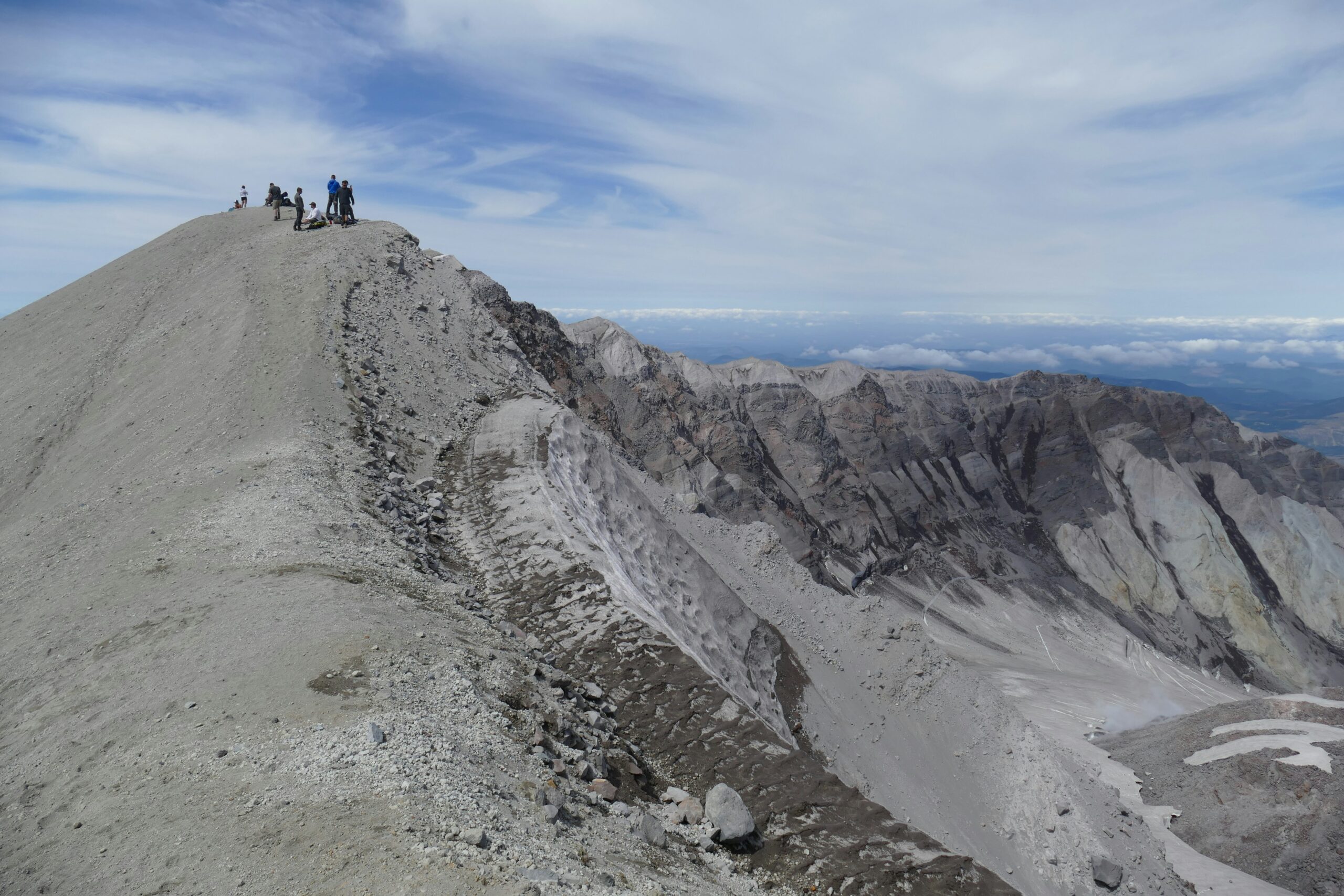
The final push to the summit is both the most demanding and the most memorable. A steep slope of loose ash and pumice challenges every step, requiring patience and steady pacing. It’s a slow go with the finish line in sight, but reaching the crater rim makes every effort worthwhile.
At the top, hikers are met with sweeping views down into the crater, Spirit Lake, and, on clear days, neighboring peaks like Mount Rainier, Mount Adams, and Mount Hood. The stark, ever-changing landscape serves as a powerful reminder of the mountain’s history and the forces that shaped it. Climbers are advised not to approach the crater’s rim, as what looks like solid ground may actually be a weak, unsupported shelf of snow or undercut ground.
Climbing Mount St. Helens is more than a hike, it’s an opportunity to experience the raw power and resilience of nature up close. For those willing to prepare, pace themselves, and embrace the challenge, it’s an adventure that leaves a lasting impression long after the descent.
Resources for the Climb:
- Recreation.gov Climbing Permits
Reserve climbing permits and review official regulations and quotas. - Gifford Pinchot National Forest – Summit Information
Official route details, trailhead information, safety tips, and seasonal updates. - Mount St. Helens Institute
Educational resources, preparation tips, and climbing guidance. - Washington Trails Association – Monitor Ridge Route
Trail descriptions, trip reports, elevation details, and hiker insights. - Northwest Avalanche Center
Avalanche forecasts and snow safety information for winter and spring climbing conditions.